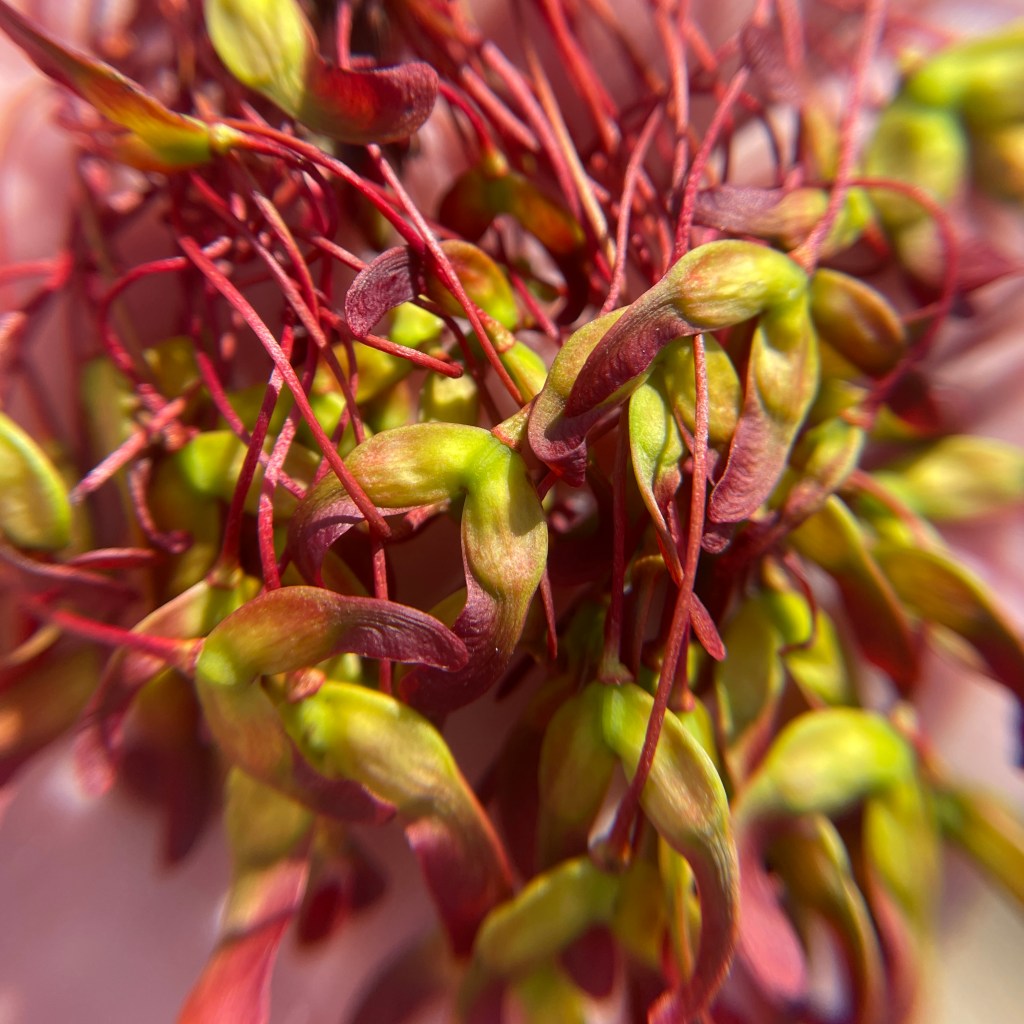
Two weeks ago I thought winter might have been over and as soon as I said it out loud it started to get colder again. Things are warming up now though and so far Spring looks something like:
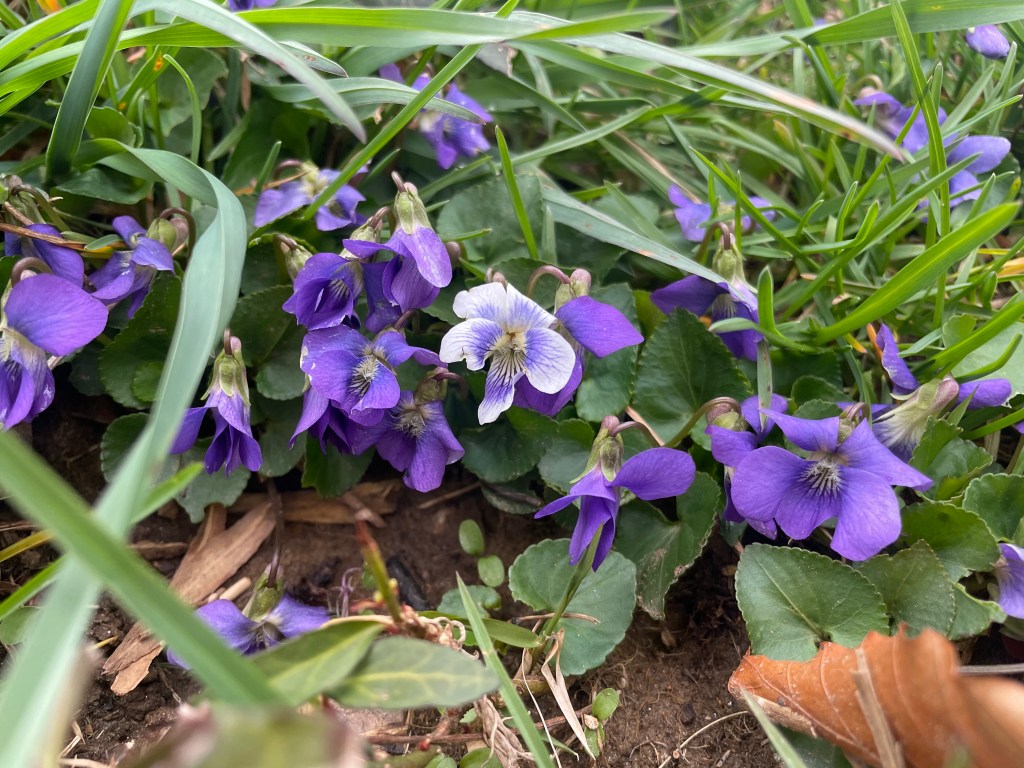
Flora in bloom:

A little over a month ago, I was on a favorite local-ish river and took some time to seine for insects to get a better idea of what the fish had on offer. Midge larvae, ants and mayfly nymphs were the overwhelming food items in the drift.
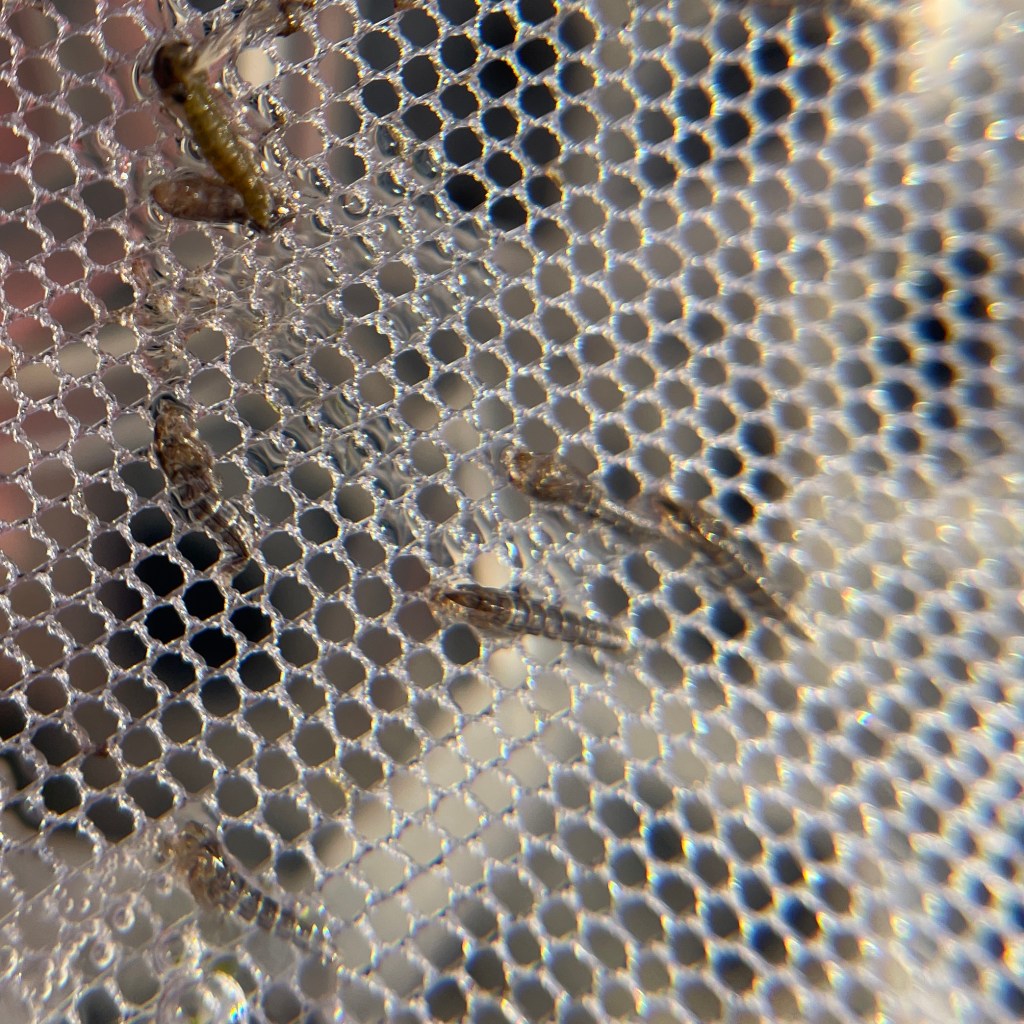
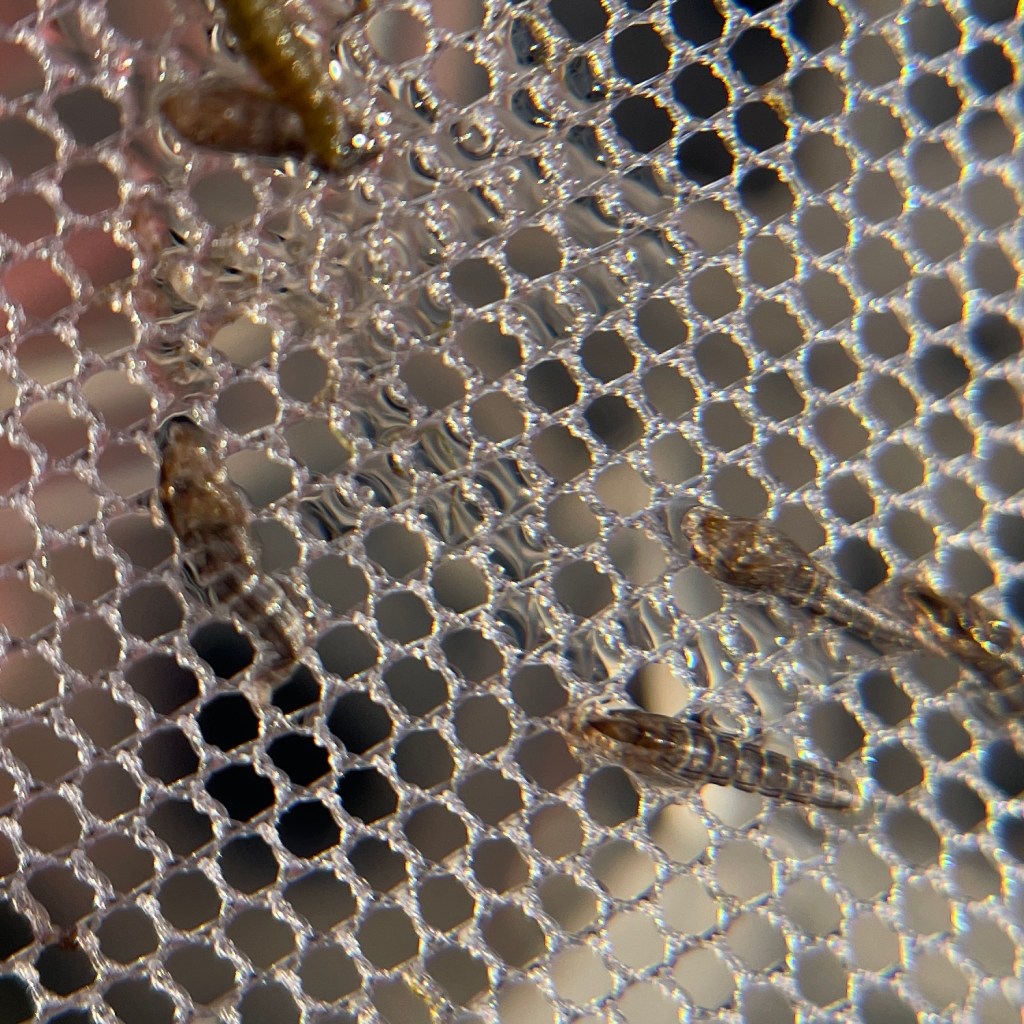
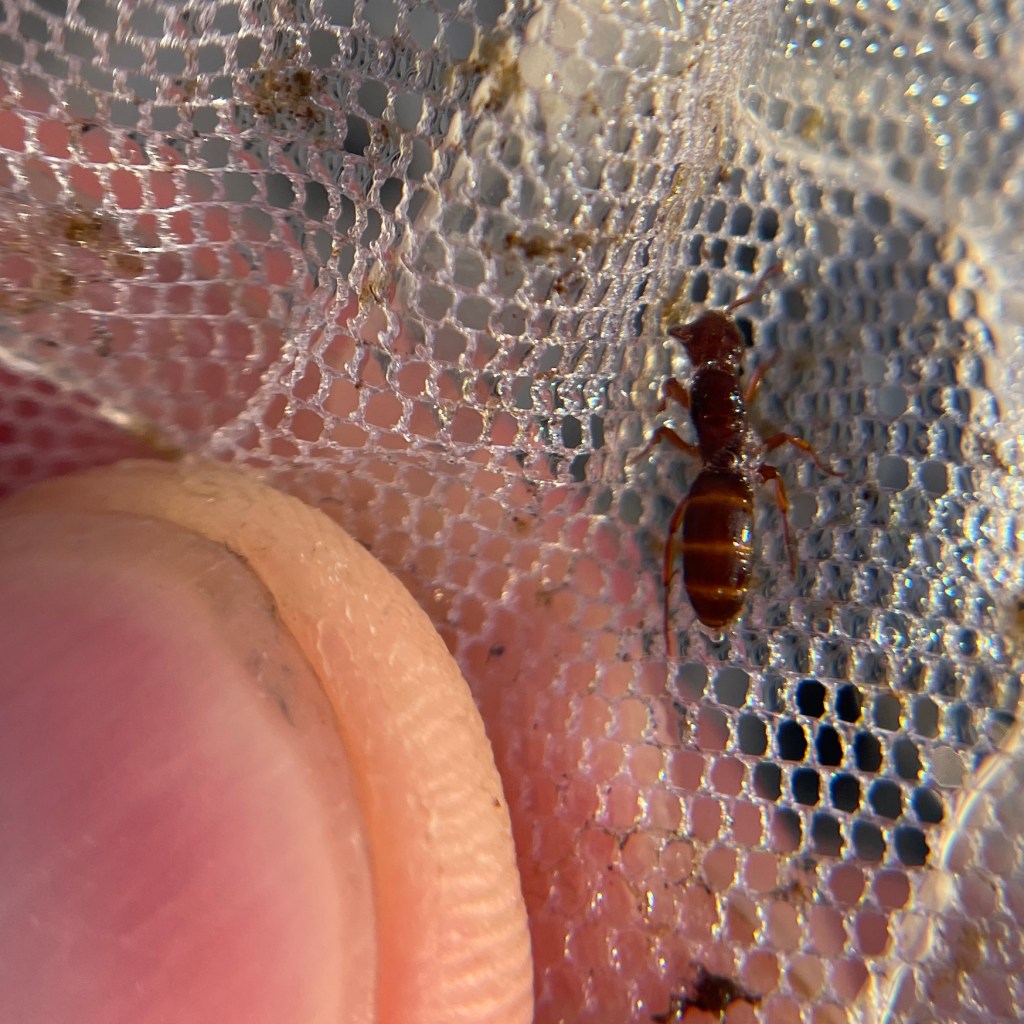

It was raining heavily (all day) and I seined for quite a while as I was hoping to find larger bugs, but after about 45 minutes in multiple types of water, I was fairly well convinced that this was representative of that section of stream – at that time. Since then, I’ve been using the photos as a reference matching these sizes/profiles/colors for the nymphs I tie with that piece of water in mind.
I noticed the olive midges had white gills, while the grey-ish midges rocked brown gill tufts. I have ideas for adding gills down the line, but for the short term, immediately tied up about a dozen and a half #20 and #22 weighted midges. I settled on a pearl-tinsel undercoat, followed with almost-touching wraps of dun, brown or olive peacock quills for the body. Coating thinly with resin, they looked great and have since produced well.
I note that a day later I looked at them again though and realized all I really did was make tail-free Perdigons. (That didn’t occur to me at all while I was making them)
Heading back to the same stream tomorrow, I wanted to bring something to mimic the mayfly larvae — and and am eager to put them to the test.

Recipe: Hook: Size 18 nymph hook: 2X long, 2X heavy; Weight: 2.5mm black tungsten bead; Thread: Semperfli’s 12/0 Classic waxed; Tailing: Hen hackle or Partridge; Abdomen: natural or/and orange pheasant tail; Ribbing: gold UTC wire; Thorax: Semperfli’s Dirty Bug Yarn in Mottled Olive; Wingcase: Large HoloTinsel (black).


These were my first flies using the ‘FFF’ Anchor beads. At their price point, I was worried about the quality, but they’re straight-up good. Because I was building in legs into this pattern, I wanted to avoid spiky dubbings for the thorax; I tried Semperfli’s ‘bug yarn’ instead. It provided consistency, but at the cost of versatility (there are two strands to the yarn, so it either goes on at the diameter it comes off the spool – or at 1/2 of that by unwinding it). Because of that it doesn’t end up looking good at all when you wrap it over itself – you can’t seamlessly ‘build up’ and shape with it like you can with dubbing material.
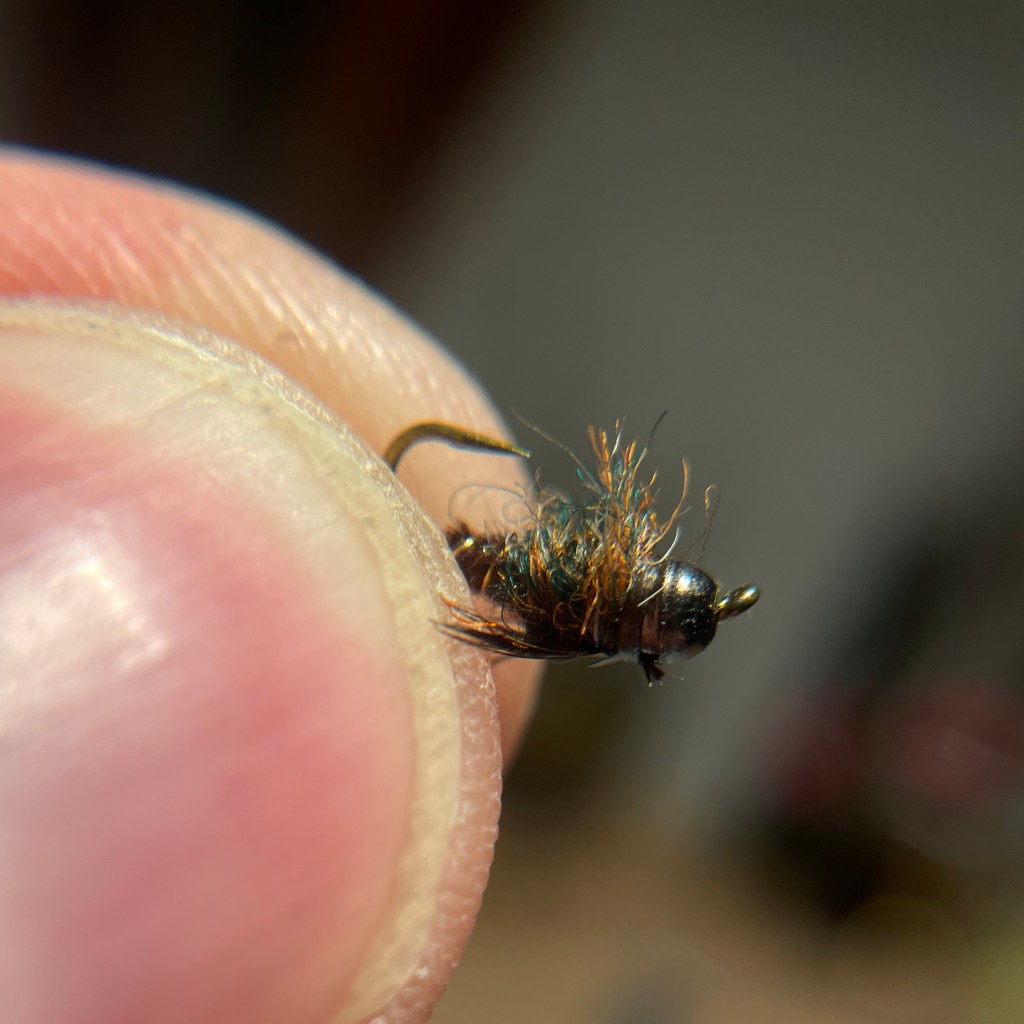
The ‘Mottled Olive’ yarn’s peacock & auburn fibers (shown above) are mottled enough to make me think it has hope (if not promise!) as a material, but next time I’ll probably just dub the thorax like a normal person.
Our seeds finally arrived this week. I have potted up one of our starter pallets and watered in the soil, but still have yet to place the seeds. I need to do that soon, but procrastination is a hell of a drug. Also, the grass is looking pretty green and we don’t have a lawnmower yet — or a shed to put it in. Decent problems to have all-in-all.
Also – this week I learned of Jason Randall who was a guest on The Orvis Flyfishing Podcast:
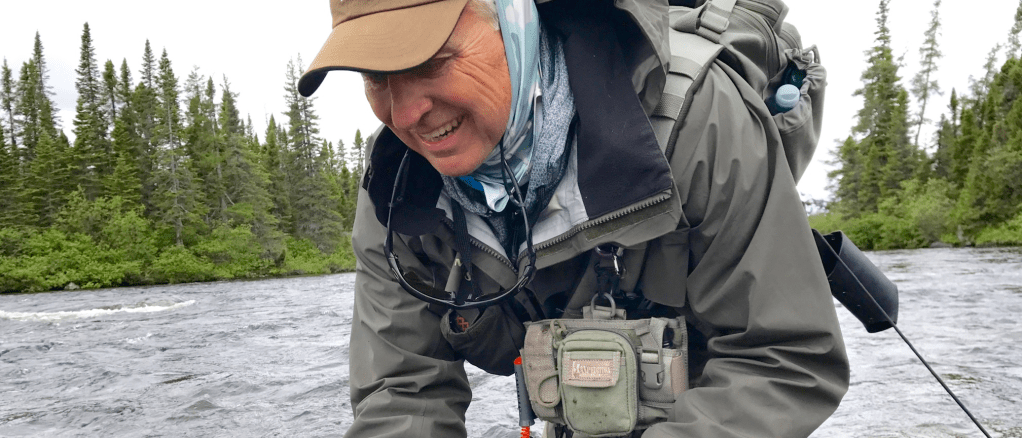
Jason is a Veterinarian by trade and a scientist at his core who has written several books related to Flyfishing for trout, specifically. His approach to understanding the interplay of physics and biology within stream ecology are quite singular. I was so impressed by his interview with Tom Rosenbauer that I found five other podcast interviews, listened to them in full, and then bought two of his books.
If so inclined, you can hear him at the link above, or here, here, here, here or here.
currently reading: Nymph Masters: Fly-Fishing Secrets from Expert Anglers, Jason Randall
Last full listen: Dark Side of the Moon by Pink Floyd
 griff.works
Leave a comment