We have moved; the move is complete. We are in Maryland, in a lovely 3B/2BA apartment with a decreasing amount of cardboard boxes to unpack, and an increasingly livable/maneuverable set of rooms to negotiate. The acoustics are great here; there are many short hallways and changes of direction that restrict the travel of sound throughout the flat. The windows face south and west. We found a nice dog park w/ hiking trails just shy of two miles down the road (a much quicker jaunt than our usual trek to the Berkeley or Oakland Hills to exercise the dogs in the mornings). The climate is worth mentioning, however. Today’s lowest temperature in the D.C. Metro area yesterday was a full degree warmer than the highest temperature achieved in Oakland. This will take some adjustment.
While driving the (apparently) 3,102 miles from there to here, I was able to listen to a fair few podcasts; I believe these are the conversations from last week that will continue to stick with me:
Finally, courtesy of Tyler Cowen‘s assorted links at Marginal Revolution, I found this ESPN story on Nihal Sarin.
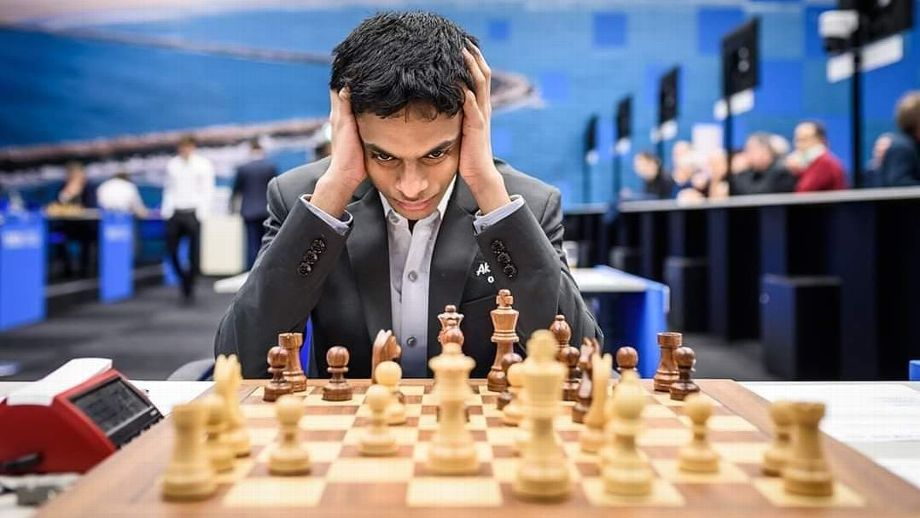
I had never heard the name before, but the case is made that he is one to watch. Apart from his individual narrative, it is also interesting to consider the chess powerhouse that India has become in the decade + since Anand was World Champion and to wonder if they might soon become the dominant force in global chess in the way that the Russians were for much of the twentieth century.
 griff.works
Leave a comment